On this page
The 3,000-mile oil change is the most successful piece of maintenance marketing ever run in the United States. It was reasonable advice for the engines and oils of the 1970s. It has not been right for most cars for a long time, and the clearest statement of that comes from a state agency with no commercial interest either way.
CalRecycle, the California department responsible for used oil, puts it in one sentence: “The old standard of 3,000 miles is out of date and no longer applies to most cars.” Its guidance adds that many cars, including older models, can run 5,000, 7,500, 10,000 and even 15,000 miles between changes.
Where your number comes from
Three places, in this order:
- The owner’s manual. It gives the interval in miles and in months, and usually gives two schedules: normal and severe service. This is the manufacturer’s engineering position on its own engine, and it is the only one written by people who tested it.
- The oil life monitor, if the car has one. Modern systems do not simply count miles. They model how the oil has aged based on engine temperature, trip length, load and revolutions. A car doing long steady trips will ask later than a car doing school runs.
- The label in the windscreen. Written by whoever last changed the oil, generally at 3,000 or 5,000 miles regardless of what the manual says. It is a reminder, not a specification.
What “severe service” really means
Manufacturers publish a shorter interval for severe use, and people assume it means hauling trailers over mountain passes. It usually means the opposite: gentle, short, cold driving.
Typical severe-service conditions in a manual include frequent trips under five miles, extensive idling or stop-and-go traffic, driving in very hot or very cold weather, dusty roads, and towing. Short trips are on that list because the engine never reaches full operating temperature, so water and fuel from combustion stay in the oil instead of evaporating out.
If your driving is mostly short hops around town, you are on the severe schedule even though it does not feel severe. If you commute 30 miles each way on a highway, you are on the normal one.
The oil matters more than the interval
Two things on the bottle decide whether the oil is right, and neither is the brand.
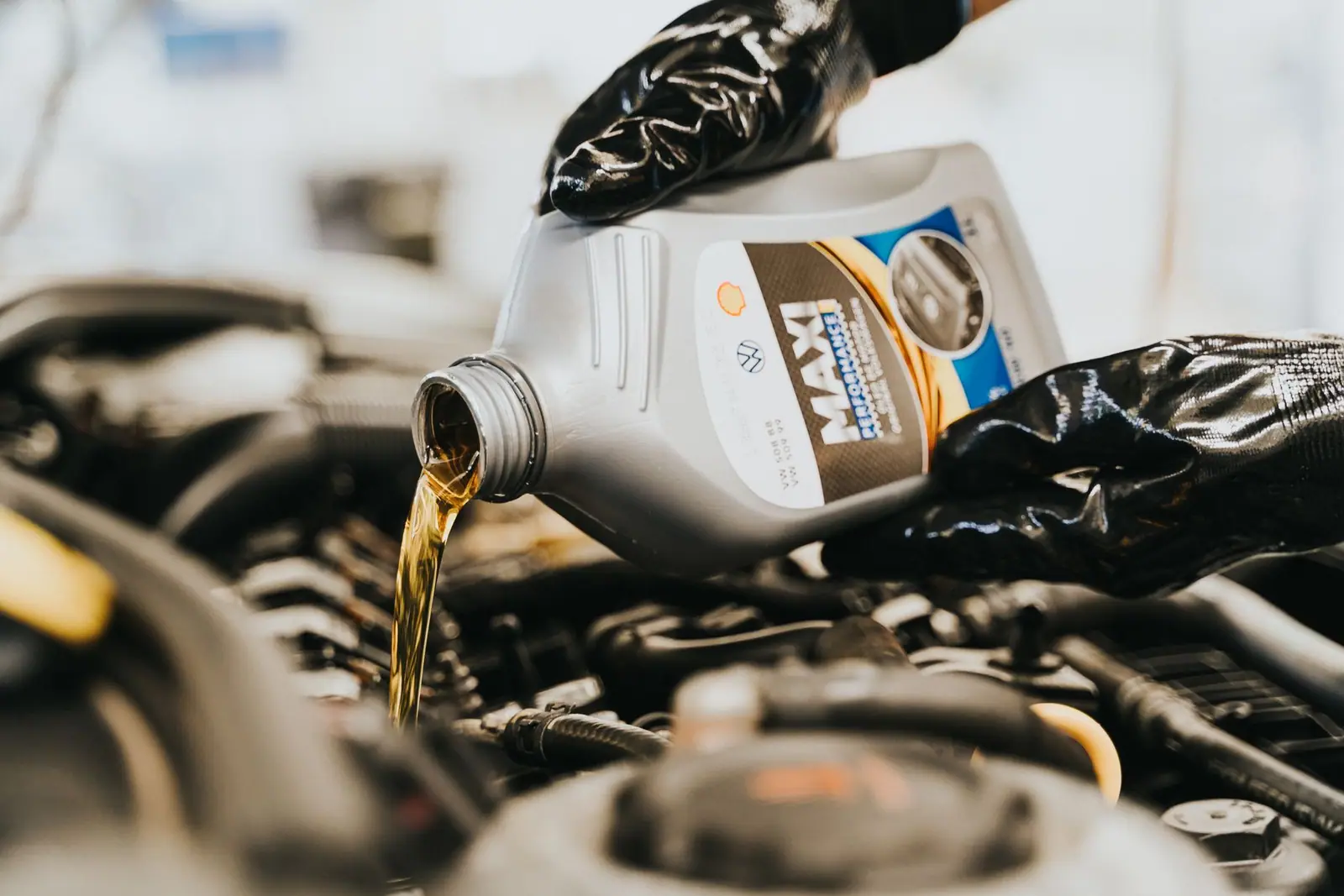
- The viscosity grade. The manual specifies something like 0W-20 or 5W-30. The EPA and the Department of Energy note that using the manufacturer’s recommended grade is worth 1 to 2 percent in fuel economy, and that using a thicker oil than specified costs you that. In an engine designed around thin oil, viscosity also affects how quickly oil reaches the variable valve timing hardware.
- The specification. API, ILSAC or a manufacturer’s own approval code printed on the container. This is what tells you the additive package meets what the engine needs.
Synthetic oil is not a scam and it is not magic. It resists breakdown at high temperature better than conventional oil, which is why manufacturers specifying long intervals also specify synthetic. If your manual asks for it, use it. If it does not, the longer interval was not designed for your engine either way.
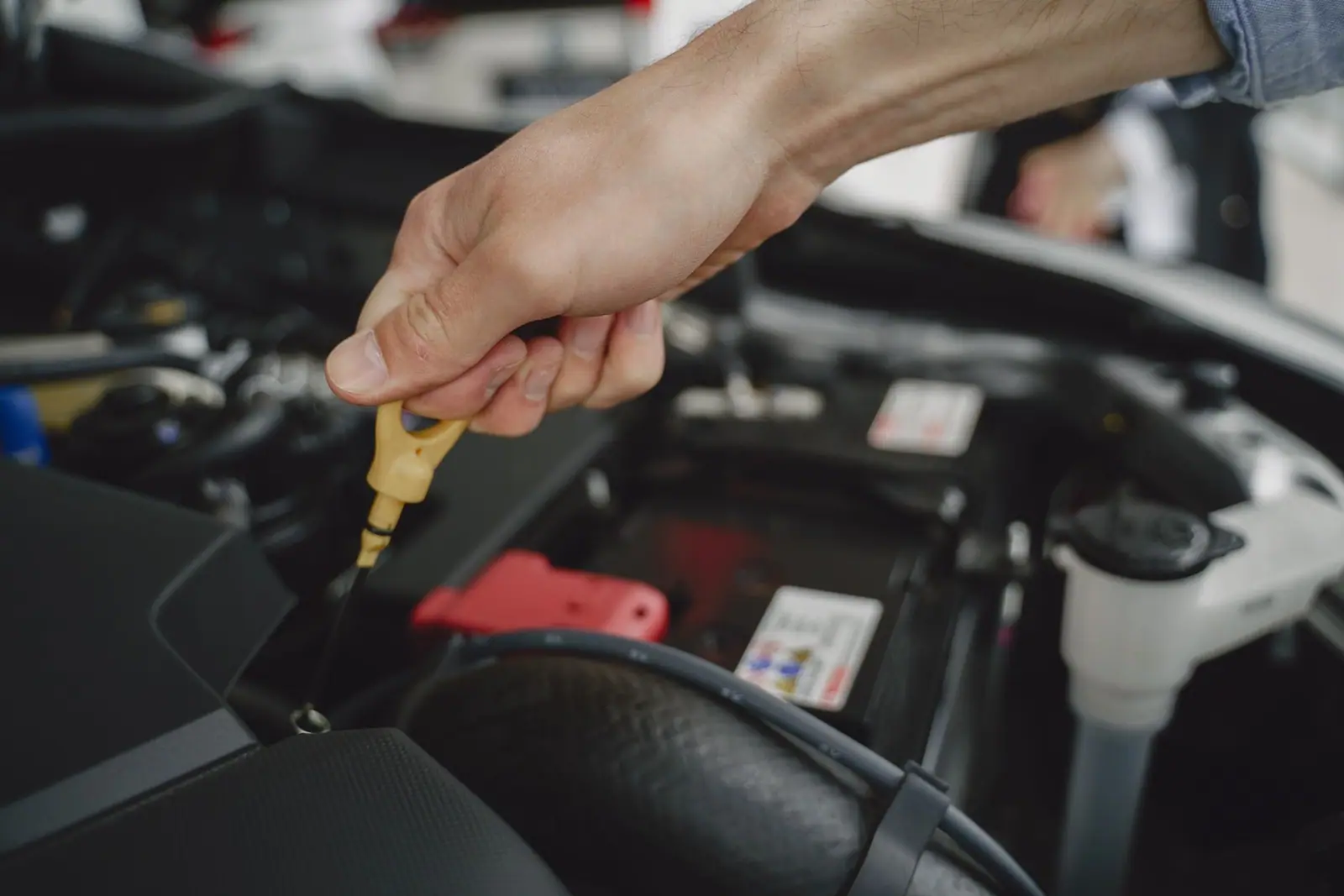
Check the level every few fuel stops, particularly on an engine with more than 100,000 miles. Many modern engines consume some oil between changes by design, and a low level does more damage than a late change. It costs a minute and the dipstick is free.
What an oil change should include
- The grade and specification your manual asks for, and the right quantity
- A new filter, every time
- The drain plug washer or gasket where the manufacturer specifies one
- A reset of the oil life monitor
- A written note of the mileage and the date
What it should not include is a list of extra services sold at the counter while the car is on the ramp. Induction cleaning, engine flushes and additives are not in your manual. If a shop recommends work, ask them to show you where the manufacturer’s schedule calls for it.
Why the myth survives
Because the people who tell you about the interval are the people who sell the service, and because being wrong is asymmetric: changing oil too often wastes money, while changing it too rarely can wreck an engine. Faced with that, most people over-service, and the shops have no reason to argue.
The cost is not only yours. CalRecycle notes that 115 million gallons of motor oil are sold in California every year, and that a single gallon of used oil can ruin a million gallons of water. Halving the number of unnecessary changes is a large amount of oil.
The services sold too early guide applies the manufacturer-schedule check to other shop recommendations. The maintenance budget translates upcoming scheduled work into a reserve.
Questions people ask
How often should I really change my oil?
Follow the interval in your owner's manual, or the oil life monitor if the car has one. Depending on the car and the oil specified, that can be anywhere from 5,000 to 15,000 miles. CalRecycle states that the old 3,000-mile standard is out of date and no longer applies to most cars.
Is the 3,000-mile oil change necessary?
Not for most cars. It reflects the engines and oils of decades ago. The manufacturer's schedule, written by the people who tested the engine, is the number to use.
Does the oil change sticker on my windscreen mean anything?
It is the shop's reminder, usually set at a fixed 3,000 or 5,000 miles regardless of what your car calls for. Compare it against the manual before treating it as a deadline.
Do I need synthetic oil?
If your manual specifies it, yes, and that is usually the case where the manufacturer also specifies a long interval. If the manual does not require it, synthetic is optional and the longer interval it enables was not designed for your engine.
Where these figures come from
- Check Your Number, Because 3,000 Miles May Be Too Early to Change Your Oil CalRecycle, California Department of Resources Recycling and Recovery · calrecycle.ca.gov
- Keeping Your Vehicle in Shape US Department of Energy and EPA, fueleconomy.gov · fueleconomy.gov
- Auto Repair Basics Federal Trade Commission · consumer.ftc.gov
Figures last checked September 2026.