On this page
Fuel cost is the part of the electric-versus-petrol argument that can actually be settled with arithmetic, because both prices are published by the same federal agency and both vehicles have a published efficiency rating. Everything else in that argument, including depreciation and resale, is a forecast. This is not.
Here is the calculation, with the numbers we checked in September 2026 and the source for each, so you can substitute your own.
Key figures
- $4.95 Example: home charging cost per 100 miles
- $15.43 Example: gasoline cost per 100 miles
- 18.34 cents US home electricity price per kWh, June 2026
The two prices
The Energy Information Administration puts the average residential price of electricity at 18.34 cents per kilowatt hour for June 2026, the most recent month published. The same agency’s weekly survey puts the average retail price of regular gasoline at $4.319 a gallon for the week ending 14 September 2026.
Both of those are national averages, and both hide large state-by-state differences. Residential electricity in the cheapest states is roughly half what it is in the most expensive, and a gallon of petrol varies by more than a dollar across the country. Look up your own numbers: your utility bill shows the first one, and the pump shows the second.
The two efficiencies
The Department of Energy’s Alternative Fuels Data Center uses 27 kilowatt hours per 100 miles as the consumption of a representative electric car. For petrol cars, use the combined rating from the window sticker, which is the figure the EPA publishes on fueleconomy.gov.
Multiply and you get cost per mile:
- Electric car at home: 27 kWh × $0.1834 = $4.95 per 100 miles, or about 5 cents a mile.
- Petrol car at 28 mpg: 100 ÷ 28 × $4.319 = $15.43 per 100 miles, or about 15 cents a mile.
- Electric, charged at home$4.95
- Hybrid at 45 mpg$9.60
- Car at 28 mpg$15.43
- Truck at 18 mpg$24.00
Calculated from EIA average residential electricity (18.34 cents per kWh, June 2026), EIA average regular gasoline ($4.319 a gallon, week ending 14 September 2026) and DOE AFDC consumption of 27 kWh per 100 miles. Your own rate and your own rated mpg change these figures.
Over 15,000 miles a year, the difference between the first bar and the third is roughly $1,570 a year. That is the real size of the fuel argument, and it is neither trivial nor transformative.
The three things that change the answer
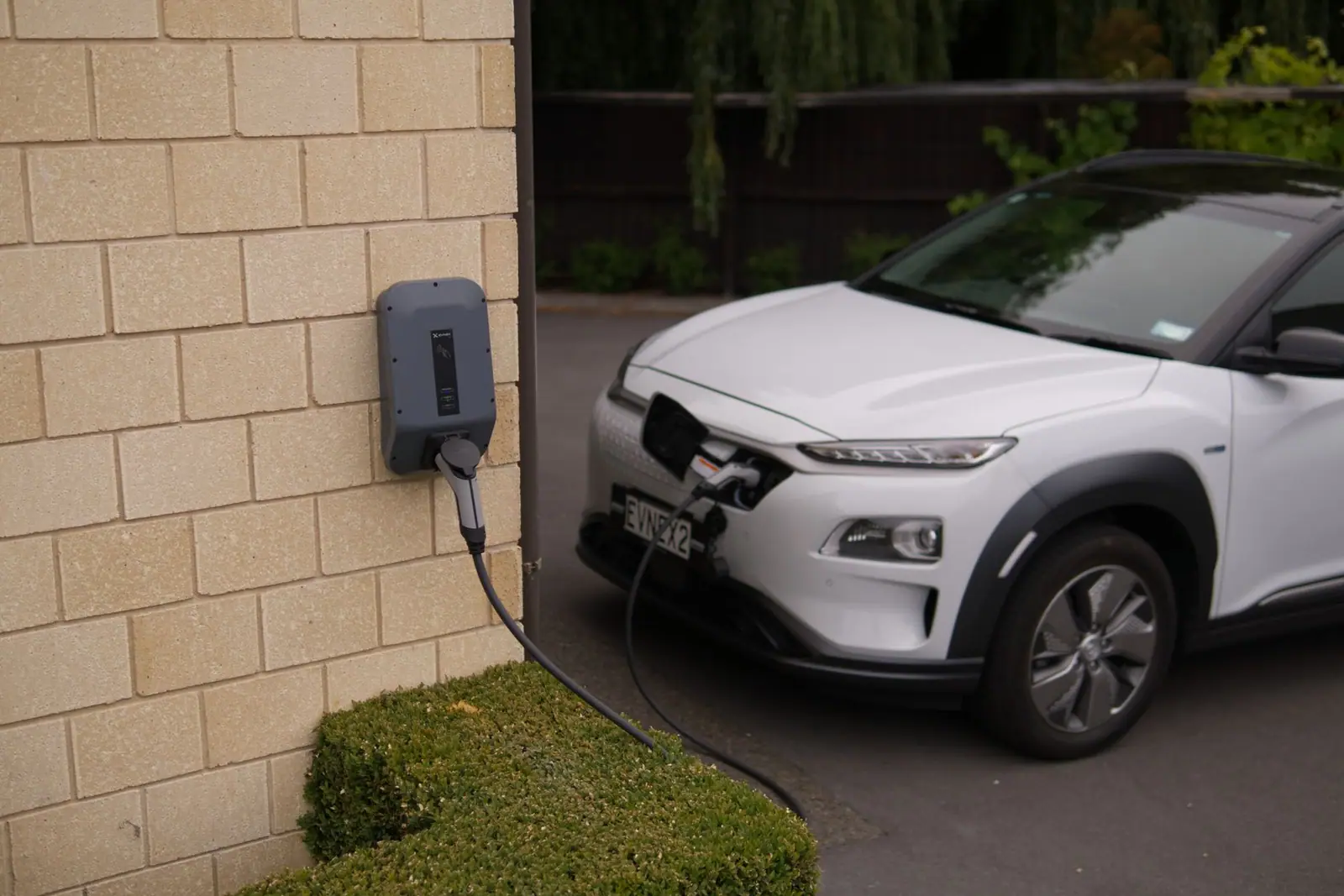
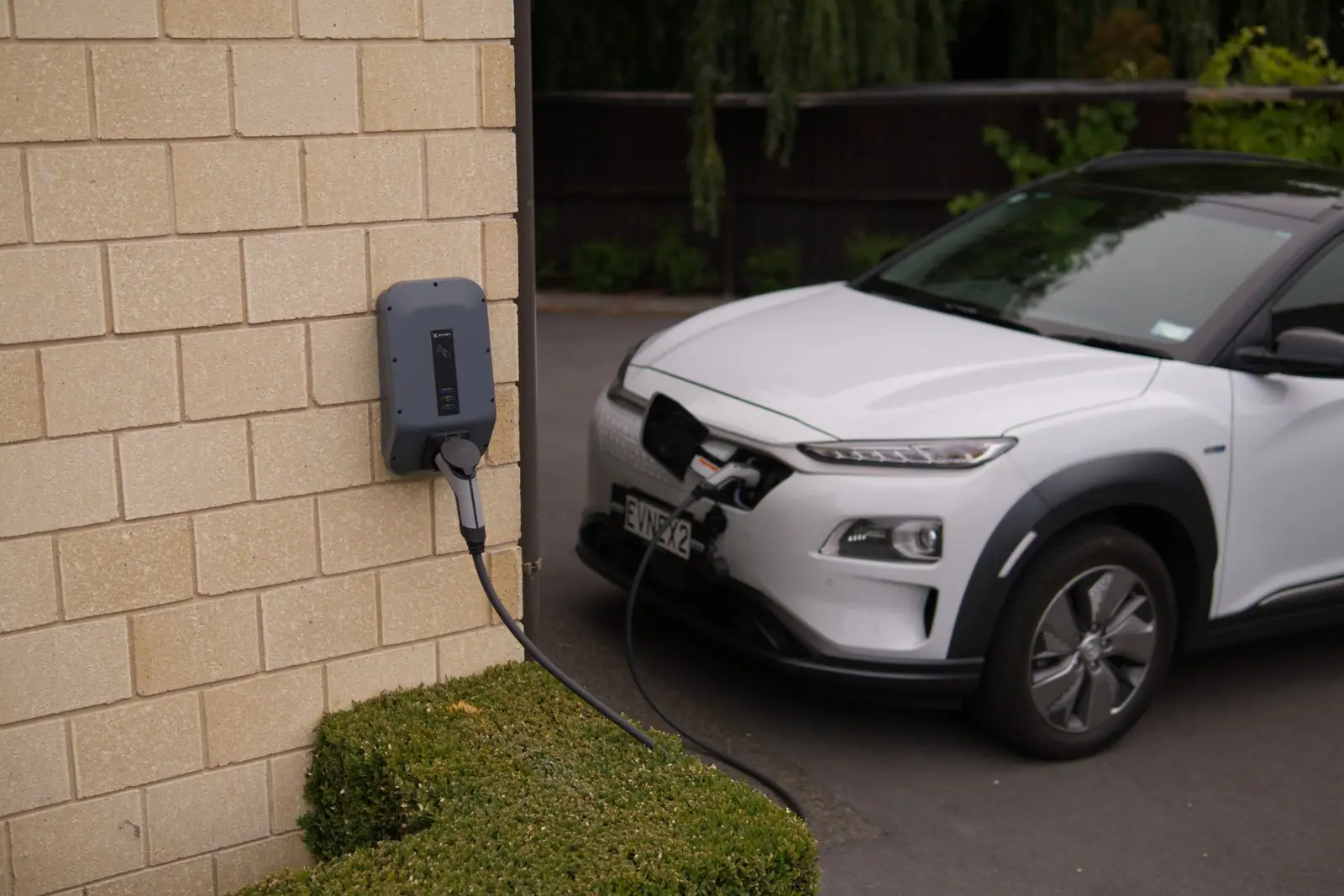
Where you charge. The 5 cents a mile figure assumes a driveway or a garage. Public fast charging is a different product at a different price, often several times the residential rate per kilowatt hour, and it is the single biggest reason an electric car can fail to deliver the savings in the chart. If you park on the street, price your real charging, not the national average.
When you charge. Many utilities offer time-of-use rates with a cheap overnight window, sometimes specifically for vehicle charging. That can put the effective rate well below the national average. It can also go the other way: charging at five in the afternoon on a time-of-use plan is expensive.
What you drive and how. Cold weather cuts electric range, towing cuts it further, and both raise consumption per mile. Petrol cars lose less proportionally in the cold but lose a great deal to speed: the EPA notes that each 5 mph over 50 mph is the equivalent of paying about 29 cents more per gallon.
The battery warranty is shorter than you have been told
The figure repeated everywhere is that electric vehicle batteries are covered for 8 years or 100,000 miles. That is what most manufacturers offer, and it is not the federal requirement.
The federal rule lives in the emissions warranty. Batteries serving as the energy storage system of an electric or plug-in hybrid vehicle are on the list of specified major emission control components, which carry a warranty of 8 years or 80,000 miles. That provision is optional for light vehicles before model year 2027. California requires more for vehicles certified as partial or transitional zero emission vehicles, where the energy storage device is covered for 10 years.
So check the actual warranty booklet for the car in front of you rather than the number in the headline. Manufacturers frequently offer more than the floor, and states differ.
Fuel is rarely the largest line in what a car costs you. Depreciation usually is, and insurance often comes second. An electric car that saves you $1,500 a year in fuel and loses $2,000 more in value has not saved you anything.
How to run the numbers for your own case
- Find your electricity rate on your bill. Use the all-in figure including delivery charges, not just the supply rate.
- Find the combined mpg or kWh per 100 miles for both cars on fueleconomy.gov, which publishes the EPA ratings.
- Multiply each out to cost per 100 miles, then by your real annual mileage.
- If you cannot charge at home, repeat the electric line at the price of the public charger you would actually use.
- Add the other lines, insurance especially. Quote both cars with your own insurer before deciding: the difference between two models can exceed the fuel saving.
The home charger installation guide adds the upfront electrical expense to an EV purchase plan. The registration renewal budget covers state fees that sit outside the energy bill.
Questions people ask
How much does it cost to charge an electric car at home?
At the national average residential rate of 18.34 cents per kWh and a representative consumption of 27 kWh per 100 miles, about $4.95 per 100 miles, or roughly 5 cents a mile. Your own rate, including delivery charges, is what decides it.
Is charging at a public fast charger still cheaper than petrol?
Often, but by much less. Fast charging is priced well above residential electricity, and at the higher end it can approach the cost per mile of an efficient petrol car. If you cannot charge at home, price the chargers you would actually use before assuming the saving.
How long is an EV battery covered by warranty?
The federal emissions rules place the drive battery among the specified major emission control components, which are warranted for 8 years or 80,000 miles, with that provision optional for light vehicles before model year 2027. Most manufacturers offer more, commonly 8 years or 100,000 miles. Check the car's own warranty booklet.
Does cold weather change the comparison?
Yes. Electric range falls in cold weather because heating the cabin and the battery uses stored energy, so consumption per mile rises. Petrol cars also lose economy when cold, but proportionally less. If you drive in hard winters, use a worse consumption figure than the sticker.
Where these figures come from
- Average Price of Electricity to Ultimate Customers by End-Use Sector US Energy Information Administration · eia.gov
- Weekly Retail Gasoline and Diesel Prices US Energy Information Administration · eia.gov
- Charging Electric Vehicles at Home US Department of Energy, Alternative Fuels Data Center · afdc.energy.gov
- 40 CFR 85.2103, Emission warranty Electronic Code of Federal Regulations · ecfr.gov
- On-Board Diagnostic II (OBD II) Systems Fact Sheet California Air Resources Board · ww2.arb.ca.gov
- Driving More Efficiently US Department of Energy and EPA, fueleconomy.gov · fueleconomy.gov
Figures last checked September 2026.