On this page
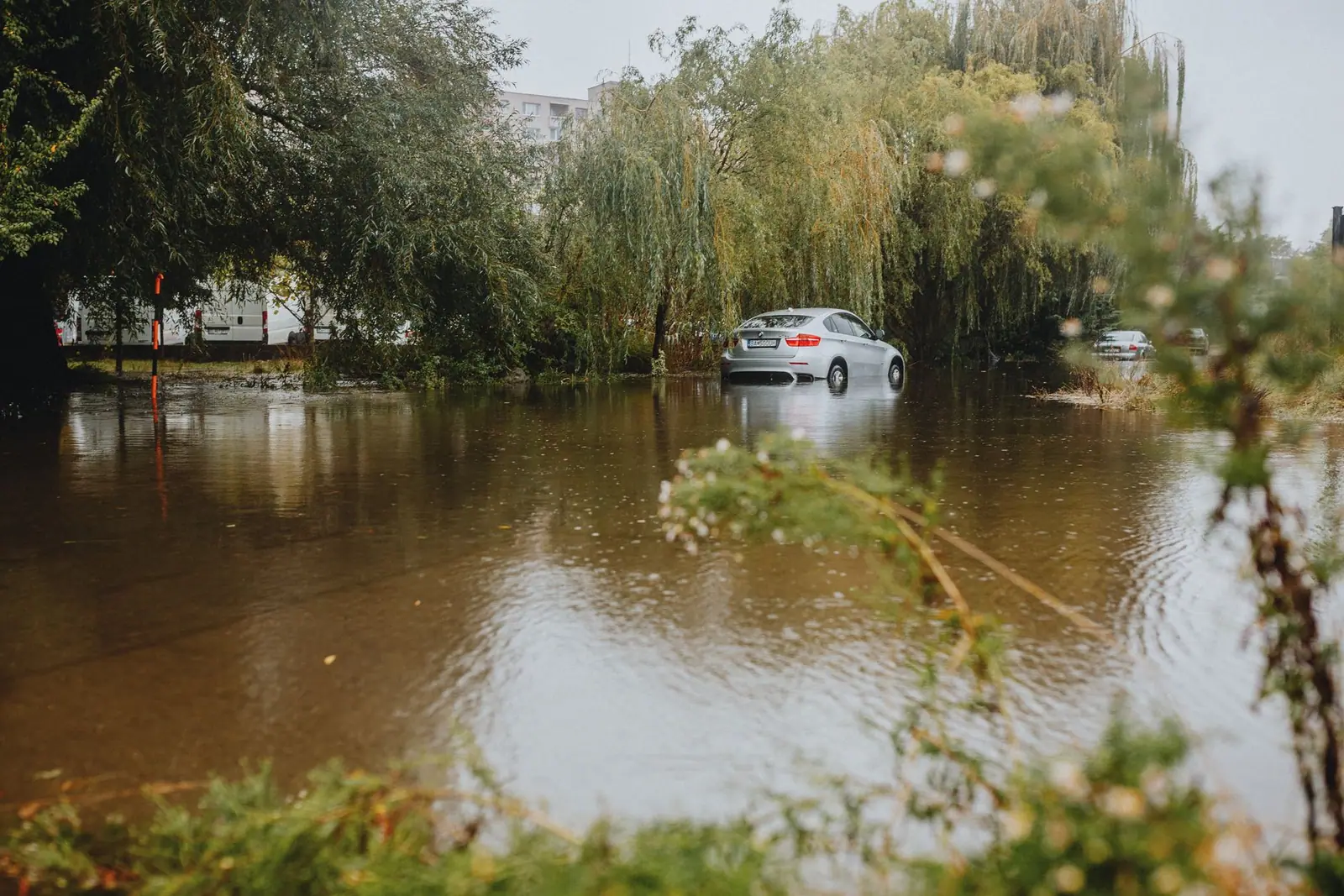
A flood-damaged car can carry a large price reduction without offering a predictable bargain. Water can affect wiring, electronics, corrosion-sensitive components and safety equipment long after the interior is cleaned. The question is not whether the discount looks impressive; it is whether the car’s condition, repair scope, title, insurance and resale prospects can be established.
There is no defensible universal percentage discount that makes every flooded car safe or economical. This guide uses published checking costs and a labeled price-gap worksheet instead of inventing a typical repair bill. The worksheet describes money available before a matched alternative becomes cheaper; it does not set a safe repair allowance or quantify the probability of future failure.
Key figures
- $19,000 Example: comparable car without flood history
- $15,000 Example: car with flood history
- $254.99 Inspection and CARFAX, not a flood-damage assessment
A free VIN check is one source of history evidence
NICB offers VINCheck for participating insurers’ theft, salvage and flood records. The service allows 5 searches per IP address within 24 hours and requires the correct 17-character VIN. Match that identifier across the vehicle, title, seller’s documents and reports before interpreting a result.
NICB states that its database does not include all insurer or law-enforcement records and warns against relying on it as a full vehicle-history report. A no-match result can mean the event was not recorded in the checked database. It does not mean a mechanic examined the vehicle or that no water ever entered it.
The VIN and title-brand guide keeps history sources separate. NMVTIS title data, a commercial report and an inspection provide different evidence. Use a discrepancy, a missing ownership record or an unexplained brand as a reason to investigate before negotiating the price.
An inspection price is not the cost to repair flood damage
Lemon Squad publishes a $220 standard inspection for vehicles newer than 20 years, including checks for previous accident and flood damage. Its optional CARFAX report add-on is $34.99, making $254.99 for that combination. A vehicle 20 years or older falls under its $330 classic inspection price, or $364.99 with the same add-on.
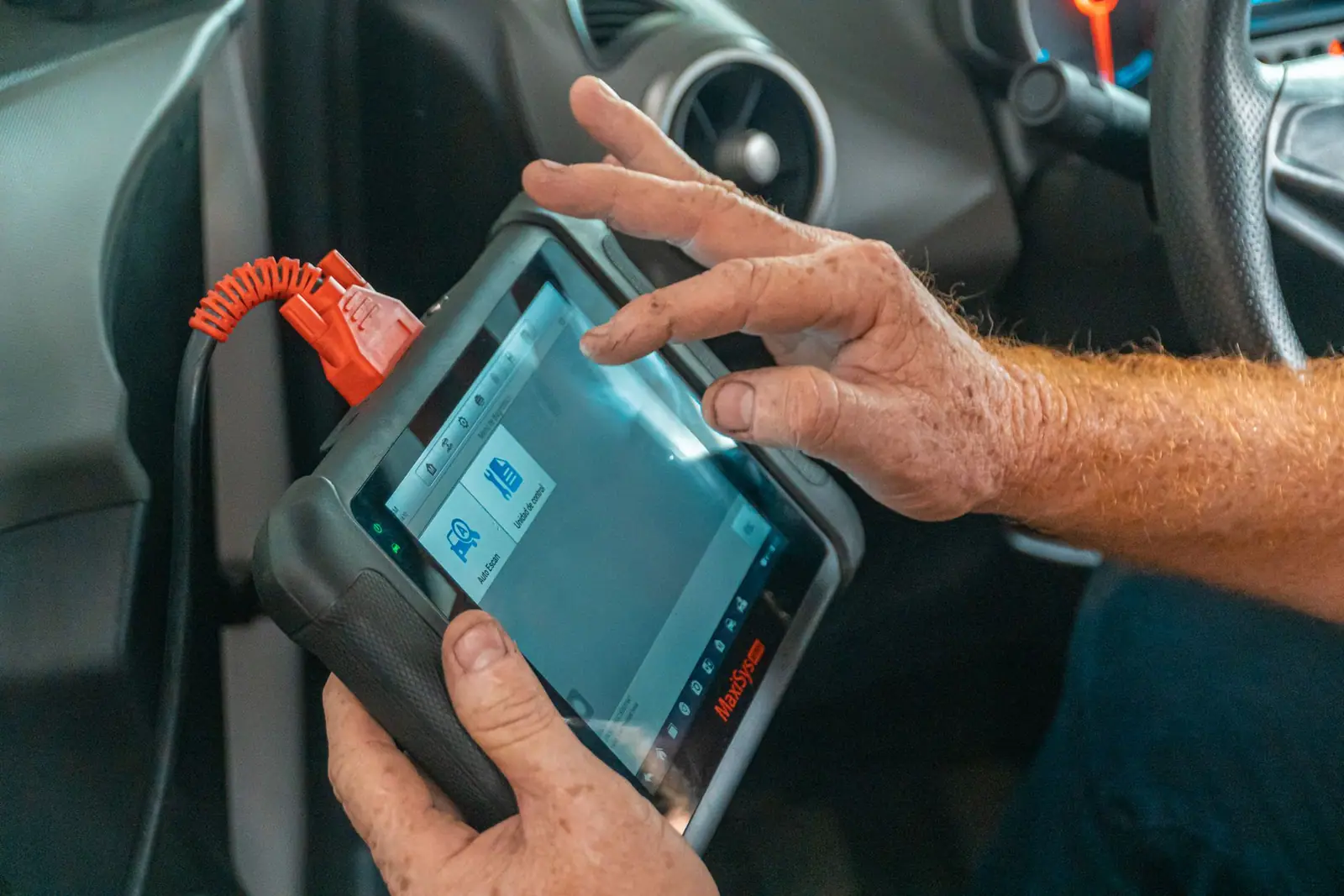
Those are one provider’s inspection prices, not flood remediation estimates. Confirm that the inspector has the access and scope needed for the candidate, and ask how any suspected water exposure will be documented. A scan showing no stored fault does not establish that every connector, harness or safety component is undamaged.
The pre-purchase inspection guide addresses findings and limitations. If specialist diagnosis or disassembly is needed, obtain a separate scope and price. Do not count a general inspection as exhaustive certification or subtract its fee as though it paid for future repair work.
A price-gap worksheet shows the limit of known arithmetic
Suppose a flood-history car is offered at a hypothetical $15,000 and an otherwise comparable alternative at $19,000. The initial difference is $4,000, about 21.1% of the alternative’s price. After the $220 standard inspection and optional $34.99 report, $3,745.01 remains before other differences. The car prices are assumptions, not sourced market values.
| Hypothetical comparison | Amount |
|---|---|
| Matched alternative purchase price | $19,000 |
| Flood-history candidate purchase price | $15,000 |
| Initial price gap | $4,000 |
| Published standard inspection | $220 |
| Optional report bought through inspector | $34.99 |
| Gap after those checking purchases | $3,745.01 |
Source note: Lemon Squad supplies the named inspection and add-on prices; vehicle prices and matching condition are hypothetical assumptions. The remainder is arithmetic, not a repair estimate, recommended reserve or expected saving.
Do not label that $3,745.01 as money guaranteed to cover the damage. Repairs could exceed it, insurance might be unavailable on the desired terms and the car might have a smaller resale value. Known quotations can be entered into the worksheet; unknown future failures cannot be made known by choosing a large discount.
Keep inspection spending separate from the purchase decision. A paid report revealing serious damage is a reason to reconsider the purchase, not a reason to buy so the report fee is not wasted. No purchase price can turn unresolved safety damage into an ordinary operating expense.
Flood history can persist after cleaning and retitling
NHTSA warns that flood-damaged cars and parts can reappear far from the storm area, and that damage may emerge over subsequent years. Its signs to investigate include musty odors, strong masking fragrance, mud or watermarks in hidden spaces and unusual corrosion. None alone establishes the full exposure or repair history.
Ask for the insurance-loss record, exposure description and repair invoices. Fresh upholstery or replaced electronics can be part of repairs, but their appearance does not show every affected component. A rebuilt title is a legal record under a state’s process, not a universal assurance against later flood-related faults.
The rebuilt-title cost guide separates title processing from condition assessment. Confirm with the registration authority that the car can be titled where it will be used. Then obtain insurance terms using the VIN and history; an estimate for an unbranded comparable car does not settle this candidate’s coverage.
Damaged high-voltage batteries change the immediate response
NHTSA says flood-exposed hybrid and electric vehicles can have high voltage, short circuits and fire hazards. It advises not parking a damaged lithium-ion vehicle in a garage or within 50 feet of a house, structure, another vehicle or combustibles, and contacting the dealer if battery damage is suspected.
Do not start or charge a suspect flooded vehicle to demonstrate that it still works. Its safe handling and transport are separate from an ordinary running-car shipment. Arrange assessment through the dealer or a professional equipped for that vehicle, rather than treating the hazard as a bargaining opportunity.
For any candidate, an insurer’s willingness to issue some coverage does not certify the condition. Compare available coverage, exclusions, deductible and any settlement basis before adding insurance costs to the purchase worksheet. A lower insured value could also affect the result after a later total loss.
Use the worksheet only for known purchase and checking expenses. Unresolved structural, electrical or safety problems remain reasons to decline or obtain further assessment. A percentage price cut is not a probability estimate or a repair guarantee.
When the seller cannot document history or permit the necessary assessment, the comparison lacks the information needed to call the car a bargain. Keep records for the candidate and the alternative side by side, including title and insurer responses. The useful decision is whether the known package justifies taking the vehicle, rather than whether its sticker is a certain fraction below another listing.
The used EV battery report guide distinguishes a battery assessment from a range display. Neither a routine health figure nor displayed range clears a flood-damaged battery for charging or driving.
Questions people ask
Is a 20% flood-car discount enough?
No universal percentage resolves the risk. The example's 21.1% gap is hypothetical arithmetic; repair scope, safety, title, insurance and resale still require evidence.
Does a clear VINCheck result rule out flood damage?
No. NICB checks participating insurers' records and states that omissions are possible. Combine history checks with the individual vehicle's assessment.
Does the $220 inspection include every flood repair?
No. It is one provider's standard inspection price. Specialist diagnosis and repairs are separate purchases, and the scope has limits.
Can I charge a flooded EV to see whether it works?
Do not use charging as a test of a suspect damaged battery. NHTSA identifies shock and fire hazards and advises contacting the dealer about suspected battery damage.
Where these figures come from
- Hurricane- and Flood-Damaged Vehicles National Highway Traffic Safety Administration · nhtsa.gov
- VINCheck Coverage and Search Limits National Insurance Crime Bureau · nicb.org
- Pre-Purchase Inspection Scope and Published Prices Lemon Squad · lemonsquad.com
- National Motor Vehicle Title Information System U.S. Department of Justice, Bureau of Justice Assistance · vehiclehistory.bja.ojp.gov
Figures last checked October 2026.